6.1 A world of difference
Contributing towards the world’s food supply. That is what we are doing. And we are rightly proud of our achievements. Nobody, no matter where they live, should go hungry. That is our mission and everything we do is based on this concept.
The mission is reflected in our growth strategy. We seek out growth in countries which do not necessarily enjoy adequate food supplies. We specifically identify countries where healthy, responsible food could make a world of difference to the development of the population. This means that we breed seed potato varieties which also perform well under difficult circumstances.
We believe it is our duty to ensure that our seed potatoes are accessible to all. The fact that this is not always the case, speaks for itself. In countries at war or those with unstable political situations, such as Syria, Yemen and Iraq, it can be a challenge to get potatoes to the right place. However, we believe it is vital that growers in these countries produce food using the very best quality seed potatoes.
Playing a role in the worldwide food supply is our driving force in terms of expanding our sales market to East and Central Africa. In this corner of the world, the population is expanding extremely quickly, as is the demand for food. In terms of climate, there are great opportunities for growing potatoes. In Tanzania, one of the emerging countries in Central Africa, we are focusing on market and chain development and are also conducting research into growing potatoes from hybrid seed.
Potato, mini-tuber or seed
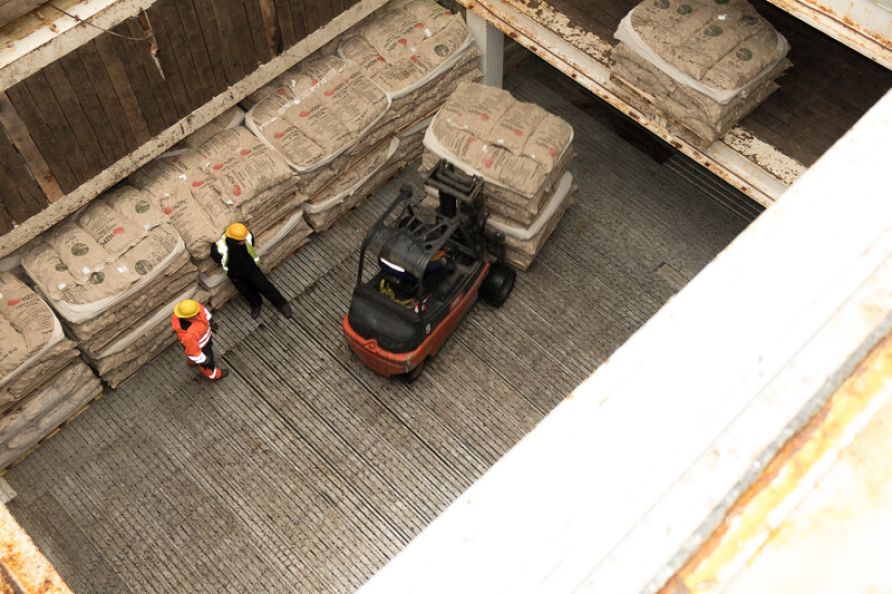
We sell genetic material across the world. Most of this material is transported and sold as seed potatoes. A working group is investigating how the environmental burden of transporting seed potatoes could be reduced as far as possible. One of the aims is to reduce CO2-emissions from road transport by 49% by 2030, compared to 1990. We are also working on increasingly environmentally-friendly packaging.
Seed potatoes are the most effective method for converting genetic material into high potato production. They are not, however, the most efficient method for transporting genetic material. That is why we sometimes transport seeds or mini-tubers, i.e. tiny plants in test tubes . We expect to introduce the first generation of hybrid seed to the Central African market in 2025.